

Buying collectible coins on eBay can feel like a thrilling treasure hunt — endless listings, rare finds, and global sellers at your fingertips. But hidden among the genuine offers are fakes, inflated prices, and misleading photos.
The difference between a smart purchase and a costly mistake comes down to how you navigate the platform. With the right strategy and digital tools like the Coin ID Scanner, eBay becomes a reliable place to expand your collection safely and confidently.
Why eBay Can Be Risky for Coin Buyers
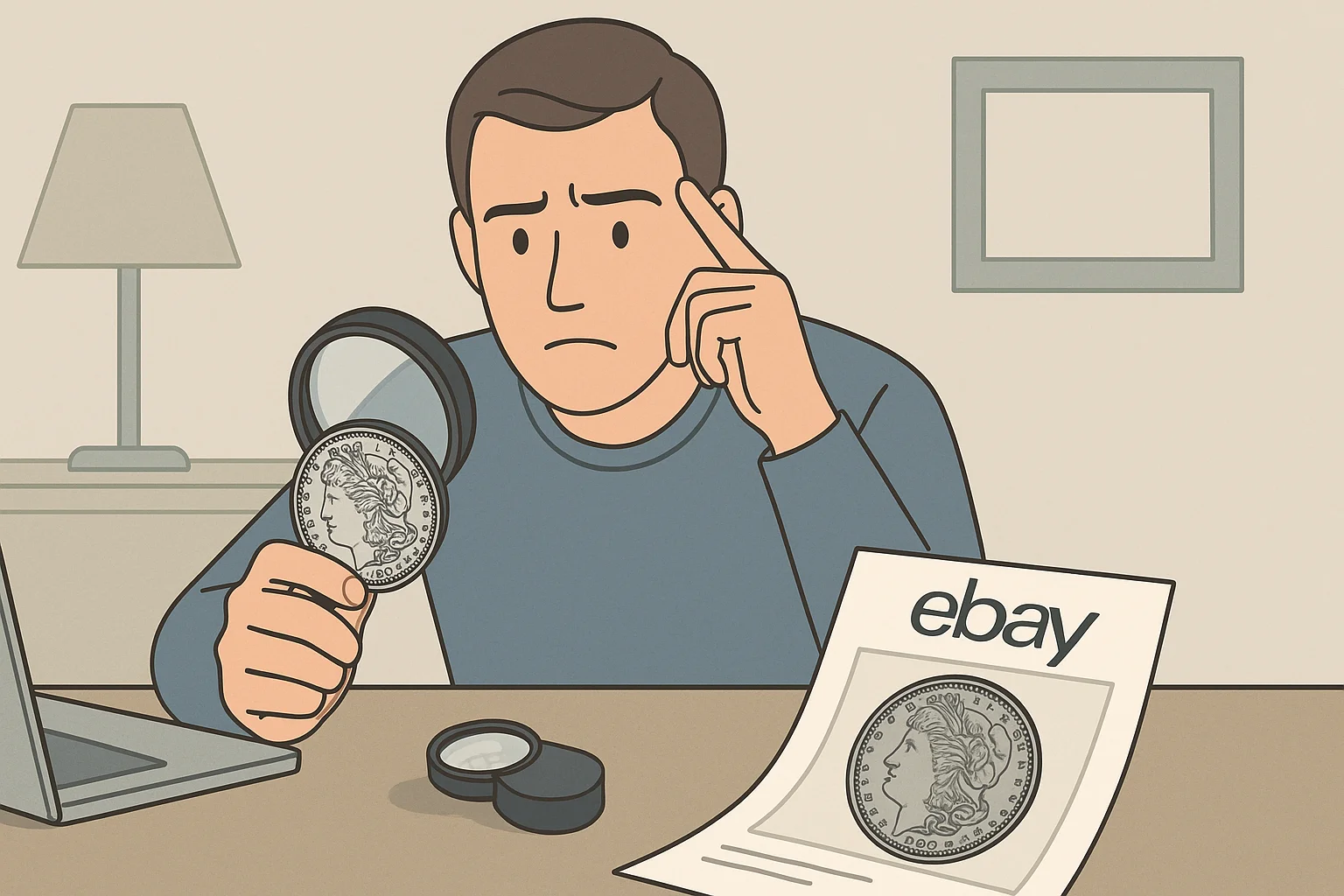
Coins are among the most frequently counterfeited collectibles sold online. The global supply chain allows reproductions to circulate easily, and many counterfeiters use persuasive photography or vague descriptions to mislead buyers.
Common risks include:
- Counterfeit coins, often plated with low-grade metals
- Over-polished coins marketed as “brilliant” or “uncirculated”
- Misleading titles, pairing rare keywords with ordinary coins
- Fake grading labels imitating NGC or PCGS holders
- Overseas sellers posting mass-produced replicas
- Price manipulation, especially on trending series
Recognizing these risks early helps collectors avoid costly mistakes.
Scam Patterns Most Collectors Encounter
Fakes are not limited to obscure issues. High-demand U.S. coins — Morgan dollars, Peace dollars, early quarters, and modern bullion pieces — are common targets. Replicas often use:
- Incorrect weights
- Artificial toning
- Cast rather than struck designs
- Inaccurate fonts or relief levels
- Plated surfaces that mimic silver or gold
Some sellers even list replicas under categories for genuine coins, counting on buyers to overlook disclaimers.
Why Many Counterfeits Come From International Sellers
A large percentage of fake coins originates from regions known for producing low-cost replicas. These listings often use:
- Stock photos
- Suspiciously low prices
- Large quantities of “rare” coins
- Unclear shipping policies
While not all international listings are fraudulent, collectors benefit from extra caution around unfamiliar sellers.
The First Step: Learning How to Evaluate Sellers
Before considering the coin value itself, evaluate the person selling it. Reliable sellers leave clear traces of their activity: consistent listings, positive long-term reviews, and transparent communication. Scammers, on the other hand, rely on vague descriptions and unpredictable behavior.
A trustworthy seller typically has:
- High positive feedback (98–100%)
- Long history of selling coins rather than random categories
- Clear photos of the exact coin being sold
- A return policy and quick response rate
This initial screening helps eliminate the majority of problematic listings.
Smart Buying Strategies: How to Shop Safely and Spot Real Opportunities
Once you understand the risks, the next step is learning how to navigate eBay like a careful, informed collector. Modern listings vary widely in accuracy, photography, and honesty, so your goal is to filter out unreliable offers and focus on the ones that show transparency and authenticity.
Check the Seller Before You Check the Coin
Evaluating the seller is the strongest defense against scams. A genuine listing usually comes from a profile with long-term activity and consistent feedback related to coins.
Look for these indicators of a trustworthy seller:
- Feedback above 98% with detailed positive comments
- A long selling history with coin-specific listings
- Multiple high-quality photos taken by the seller, not stock images
- A clear return or refund policy
- Prompt responses to questions
Red flags include: new accounts, long gaps in selling history, vague descriptions, blurry images, and listings mixing valuable coins with unrelated household items.
Inspect Photographs Carefully
Photos reveal far more than descriptions. Reliable sellers show the actual coin you will receive — front, back, edge, and close-ups of key details.
When reviewing images, look for:
- Full-resolution photos with clear lighting
- Visible mint marks and dates
- Natural surfaces without heavy blur or overexposure
- Honest depiction of toning, luster, scratches, and wear
- Edge photos for reeded, plain, or decorated edges
Note: Coins shown in overly glossy lighting or cropped to hide imperfections should be approached carefully.
Understand Certification and Grading Clues
Graded coins from NGC and PCGS offer higher security, but fake slabs exist. When buying certified coins:
- Compare the certification number on the photos with the verifier tool on NGC or PCGS websites
- Examine the holder design, fonts, spacing, and label style
- Ensure the certification number matches the coin’s date, mint, and variety
If anything looks inconsistent, skip the listing. Authentic slabs always match database records exactly.
Analyze Pricing Before Making an Offer
Coins priced dramatically lower than the market are almost always problematic. Some scammers rely on “too-good-to-be-true” deals to trigger impulse purchases.
Smart buyers compare prices using:
- eBay sold-item history
- Large auction houses
- Online dealer listings
- Price guides and reference charts
A quick comparison prevents overpaying and filters out unrealistic bargains.
Use eBay’s Buyer Protection to Your Advantage
eBay’s Money Back Guarantee protects you if:
- The item arrives damaged
- The coin is counterfeit
- The listing was misleading
- The seller does not ship the item
This policy is powerful, and reputable sellers understand its authority. If anything appears questionable on arrival, you can request a return with strong buyer support.
Use Technology to Confirm Details Before You Buy
Online shopping demands extra validation. The best coin identifier app makes the process easier and helps you detect discrepancies before committing to a purchase.
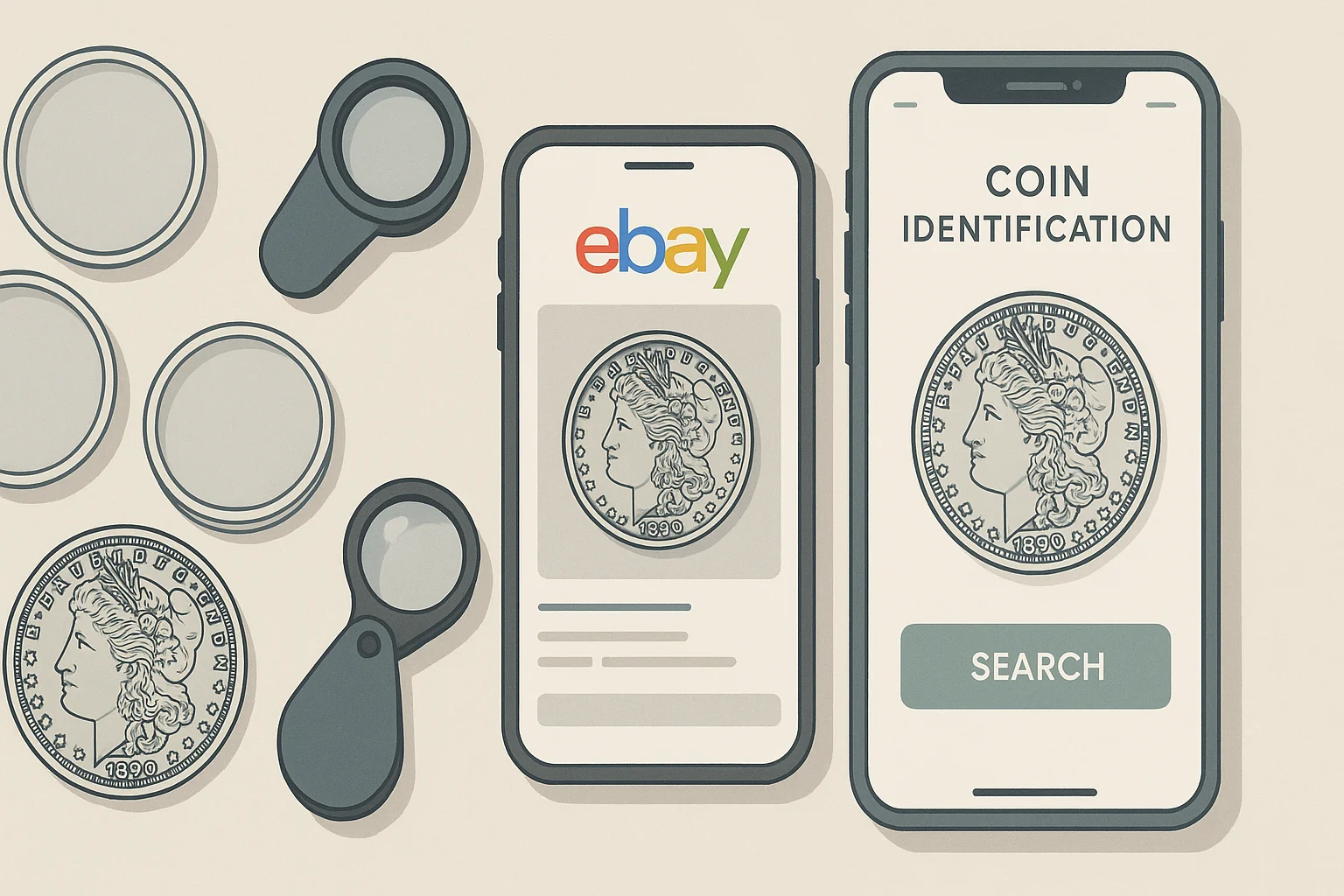
The Coin ID Scanner app is especially useful for eBay buyers because it allows you to research coins directly from a seller’s photos. You can:
- Upload or snap a picture of the listing
- View mint year ranges, country data, metal composition, and official specifications
- Compare weight and diameter against real standards
- Check price estimates across similar coins
- Ask the AI Coin Helper for insights about authenticity or unusual features
Smart filters and the 187,000-coin database give you enough information to spot inconsistencies that might indicate scams or overpriced offers.
Final Checks, Post-Purchase Safety, and Long-Term Confidence on eBay
Even when you apply smart buying practices, the final stage of the transaction happens after the package arrives. Careful inspection, verification, and timely action are essential to ensure you received the coin you paid for. This step protects both your money and your collection — and it gives you the confidence to continue exploring eBay as a valuable marketplace for collectible coins.
Inspect the Coin Immediately Upon Arrival
Take time to examine the coin as soon as you receive it. Use proper lighting and magnification to look for details that should match the listing photos.
Check for:
- Differences in color, toning, or surface quality
- Missing features that were visible in the listing
- Unexpected scratches or cleaning marks
- Incorrect weight or measurements
- Packaging inconsistencies for certified coins
If the coin looks noticeably different from the listing, take clear photos immediately. Early documentation helps with dispute resolution and gives you proof of any issues.
Verify Authenticity With Reference Tools
After basic inspection, confirm the coin’s details using reliable reference methods. This step is especially important for modern bullion, rarer dates, or anything purchased from an unfamiliar seller.
Use these approaches:
- Compare weight and diameter with official mint specifications
- Inspect the edge for the correct finish (reeded, plain, segmented, etc.)
- Check the certification number directly on NGC or PCGS websites
- Look for small design elements often missed by reproductions
Digital tools make this step faster and more reliable.
Use Coin ID Scanner for Accurate Verification and Cataloging
Modern collectors rely on digital support to confirm details quickly. The Coin ID Scanner app is especially valuable after receiving eBay purchases because it gives you immediate clarity about authenticity and specifications.
With the app, you can:
- Upload a photo of your newly arrived coin for instant identification
- Compare its characteristics with verified entries in a massive 187,000-coin database
- Confirm official dimensions and metal composition
- Save the coin into your digital collection with notes and images
- Use the AI Coin Helper to clarify design features or unusual traits you notice during inspection
This process ensures your coin aligns with what the seller claimed and supports long-term documentation of your collection.
Act Quickly if Something Seems Wrong
If you suspect a scam or notice the coin is not as described, act without delay. eBay’s system is designed to protect buyers, but timing matters.
Follow these steps:
- Contact the seller politely and explain the issue.
- Provide clear photos showing discrepancies.
- Open a Money Back Guarantee claim if the seller doesn’t cooperate.
- Keep the coin and packaging until the case is resolved.
Most disputes resolve quickly because sellers want to maintain good standing on eBay. The platform typically sides with buyers when evidence is clear.
Build Long-Term Confidence With a Repeatable Process
Shopping safely on eBay becomes simple once you develop a consistent method. Repeat the same steps for every purchase — no shortcuts.
A stable routine includes:
- Screening sellers before bidding
- Comparing prices before buying
- Studying listings carefully
- Using digital tools for verification
- Inspecting coins immediately on arrival
- Documenting everything in your collection records
eBay holds real opportunities for collectors who shop with clarity and caution. By researching sellers, verifying details, and using digital tools, you eliminate the guesswork.
Each purchase becomes safer, smarter, and far more rewarding. With the right habits, you can enjoy the thrill of collecting while protecting every coin you bring home.